Garage Door Manual Override Guide: Safely Accessing Your Home When the Power Goes Out
Master the procedures, safety protocols, and emergency release lock systems to operate your garage door manually during outages, component failures, or spring emergencies.
Table of Contents
- 1. Introduction to Garage Door Manual Override
- 2. Anatomy of the Manual Override Assembly
- 3. Critical Danger: Broken Spring Safety & Crash Risks
- 4. Step-by-Step: How to Open a Garage Door Manually from the Inside
- 5. Step-by-Step: How to Open a Garage Door Manually from the Outside
- 6. Manual Override Scenarios & Compatibility Matrix
- 7. Re-engaging the Automatic Garage Door Opener
- 8. Preventing the "Coat Hanger Hook" & Enhancing Garage Security
- 9. Routine Maintenance & Troubleshooting Guide
- 10. Frequently Asked Questions (FAQ)
1. Introduction to Garage Door Manual Override
Your automatic garage door opener is a modern convenience that most homeowners take for granted until it suddenly ceases to function. Whether due to a local power grid outage, a failed electrical motor, a fried circuit board, or a snapped drive belt, there will come a time when you need to know how to execute a manual override. The manual override system is a mechanical fail-safe built into every modern residential garage door opener system, designed to physically decouple the heavy door panels from the motorized trolley mechanism, allowing you to lift and lower the door using your own muscle power.
Understanding the proper mechanics and safety protocols of the manual override system is not just a matter of convenience; it is a fundamental aspect of home safety and emergency preparedness. Imagine being trapped inside your home during a severe weather event, a wildfire evacuation, or a medical emergency, only to find that your car is locked inside a garage with a dead opener. Knowing how to quickly disengage the drive carriage using the emergency release lock or the red pull cord can save precious minutes. Conversely, executing this procedure incorrectly, especially when dealing with structural component failures like a broken spring, can result in catastrophic property damage or life-threatening physical injury. This comprehensive guide will equip you with the technical knowledge, step-by-step procedures, and safety precautions required to safely navigate manual garage door operation under any circumstances.
Operating a garage door manually may seem straightforward—simply pull the red rope and lift—but the physics of garage doors are complex. Residential garage doors weigh between 150 to over 400 pounds. They function under immense mechanical tension, balanced by high-tension counterbalance springs. When you pull the emergency release cord, you are removing the motor's gear resistance and relying entirely on the door's balance and your own physical capability. If the door is unbalanced or the springs are broken, this simple act can lead to severe injuries. In this guide, we dive deep into the mechanics, warning signs, steps, and security risks associated with the garage door manual override mechanism, providing you with a complete blueprint for safe operation.
Furthermore, we will address specific architectural constraints, such as garages with no secondary access doors. In such layouts, being locked out during a power outage requires the use of external tools like an emergency release lock. We will provide detailed instructions on how to use and maintain these exterior lock systems, ensuring you are never left stranded outside your own home. By the end of this guide, you will have a professional-grade understanding of how to manage manual override systems under normal and emergency conditions.
2. Anatomy of the Manual Override Assembly
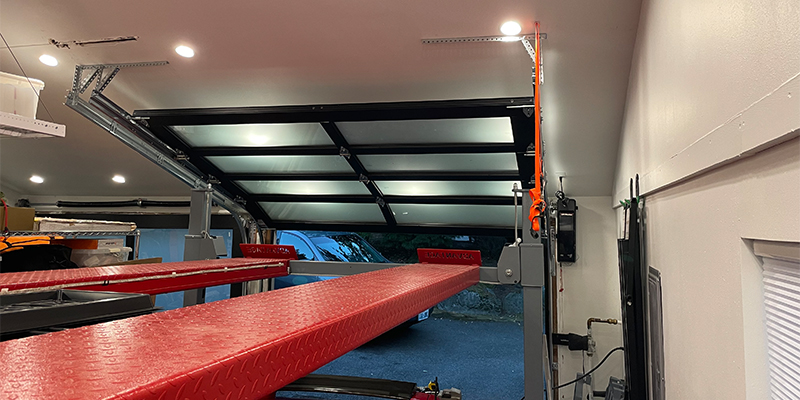
Before attempting to operate your garage door manually, it is essential to understand the mechanical components that make up the override system. When your garage door operates automatically, the motor rotates a drive mechanism (a chain, belt, or screw) that runs along a horizontal T-rail. A trolley (also called a carriage) is moved back and forth along this rail by the drive mechanism. The garage door itself is connected to this trolley via a curved metal drawbar arm.
The manual override assembly consists of several interconnected parts designed to temporarily break this connection:
- The Trolley (Carriage): This is the sliding bracket that rides along the opener rail. It houses the release lever mechanism that engages or disengages with the inner drive chain or belt. The trolley is the bridge between the motor's power and the door's movement. When disengaged, it slides freely along the rail, leaving the door disconnected from the motor.
- The Emergency Release Lever: Located inside the trolley, this spring-loaded latch can be flipped down to decouple the carriage from the drive mechanism. It acts as a clutch. Pulling the cord down pivots this lever, releasing the locking pin that connects the trolley to the drive chain or belt.
- The Emergency Release Cord: A brightly colored red rope, typically capped with a plastic handle, that hangs from the emergency release lever. By federal safety regulations, this cord must hang no higher than six feet off the ground and be clearly visible and accessible. The red color is standard across all manufacturers to ensure high visibility in low-light conditions or emergency situations.
- The Emergency Release Lock: For garages without an alternate entry door, an emergency release lock (sometimes called a key release) is installed on the exterior of the top door panel. This lock is connected to a thin steel cable that runs internally to the trolley's release lever. Unlocking and pulling the lock tumbler from the outside mimics pulling the red cord from the inside.
- Counterbalance Springs (Torsion or Extension): While not directly part of the override clutch, these massive springs are the engine of your garage door. They balance the door's weight (which can range from 150 to over 400 pounds), making it light enough to lift manually with ease (typically requiring less than 15 pounds of force). Understanding their role is vital to recognizing why a broken spring makes manual override highly dangerous.
- Lift Cables and Drums: In torsion spring systems, the springs turn a shaft, which rotates drums on each end. Steel cables wind around these drums, pulling the bottom corners of the door upward. If these cables are frayed, slack, or disconnected, the door cannot be lifted manually or automatically, regardless of the condition of the springs.
Each of these components must work in perfect harmony. If the emergency release cord is missing or tied up too high, you may not be able to reach it during a fire or emergency evacuation. If the release lever is rusted or jammed due to lack of lubrication, pulling the cord may snap the rope rather than disengage the door. Regularly inspecting these components ensures they remain fully operational, serving as a reliable emergency exit when standard electrical power is unavailable.
3. Critical Danger: Broken Spring Safety & Crash Risks
⚠️ CRITICAL SAFETY WARNING: BROKEN SPRINGS
NEVER, under any circumstances, pull the emergency release cord when the garage door is open or partially open if you suspect a broken spring. If the counterbalance springs are damaged or broken, they can no longer support the weight of the door. Disengaging the trolley will cause the door to crash down instantly with crushing force, potentially causing fatal injuries, severe limb trauma, or destroying anything in its path.
The concept of broken spring safety cannot be overstated. A residential garage door is typically the heaviest moving object in a home. The heavy lifting is performed by either torsion springs (mounted on a shaft above the door header) or extension springs (mounted along the horizontal tracks on either side). When these springs are intact, they exert a counterbalancing force equal to the weight of the door. This allows the automatic motor—or a human operating the door manually—to lift it with minimal effort.
When a spring breaks, it undergoes a sudden, violent release of energy, often accompanied by a loud gunshot-like sound. Once broken, the spring loses all tension, and the garage door becomes a dead weight. If your door is currently in the open position and you pull the emergency release cord, there is no mechanical resistance holding the door up. The heavy panels will succumb to gravity, accelerating rapidly down the tracks. This is known as a "free-fall" scenario, and it has been the cause of numerous severe accidents and fatalities. Even if the door is only open a few inches, disengaging the motor can cause it to slam down with enough force to sever fingers or crush feet.
How to Identify a Broken Spring Before Pulling the Cord:
Always perform a visual inspection of the springs before pulling the red release cord. Look for the following indicators of spring failure:
- A Visible Gap: Look at the coils of the torsion spring above the door. If you see a clear gap of 1 to 3 inches between the coils, the spring is broken. This gap indicates the spring has snapped and is no longer holding tension.
- Frayed or Snapped Cables: Look at the steel lift cables on either side of the door. If they are loose, tangled, or snapped, the counterbalance system has failed, and the door will not lift safely.
- Uneven Door Hanging: If the door is stuck open at an angle, one of the extension springs or cables has likely failed, putting all the weight on one side. Disengaging the trolley in this state will cause the door to twist and bind, potentially falling out of the tracks completely.
- Excessive Weight: If you pull the cord with the door closed and attempt to lift it, but it feels completely immovable or excessively heavy (requiring more than 20-30 lbs of effort), do not attempt to force it open. The springs are likely broken, and forcing it can cause severe muscle strain or structural damage to the door tracks.
- Loud Noise: If you were home and heard a loud bang originating from the garage, it is highly likely a spring snapped. Treat the door with extreme caution and avoid manual operation.
If you discover a broken spring, the safest course of action is to leave the door closed and call a certified technician. If you are trapped inside and must evacuate, you must secure the assistance of multiple people to lift the door, and immediately place heavy-duty C-clamps on the vertical tracks directly underneath the rollers on both sides to mechanically lock the door in the open position before attempting to move vehicles or walk underneath it. Never trust a door with a broken spring to stay open on its own.
4. Step-by-Step: How to Open a Garage Door Manually from the Inside
If you are inside the garage and need to bypass the automatic opener, follow these precise steps. Ensure the area around the door is clear of children, pets, and obstacles before beginning. Make sure you have a clear path and that the floor is dry to prevent slipping during the physical lift.
-
Verify that the Door is Fully Closed
Ensure the garage door is resting completely against the floor. Attempting to disengage the opener while the door is open or partially open is extremely hazardous. If the door must be disengaged while open due to an emergency, ensure the tracks are physically blocked with clamps or 2x4 wooden studs to prevent the door from falling.
-
Disconnect the Opener's Power Supply
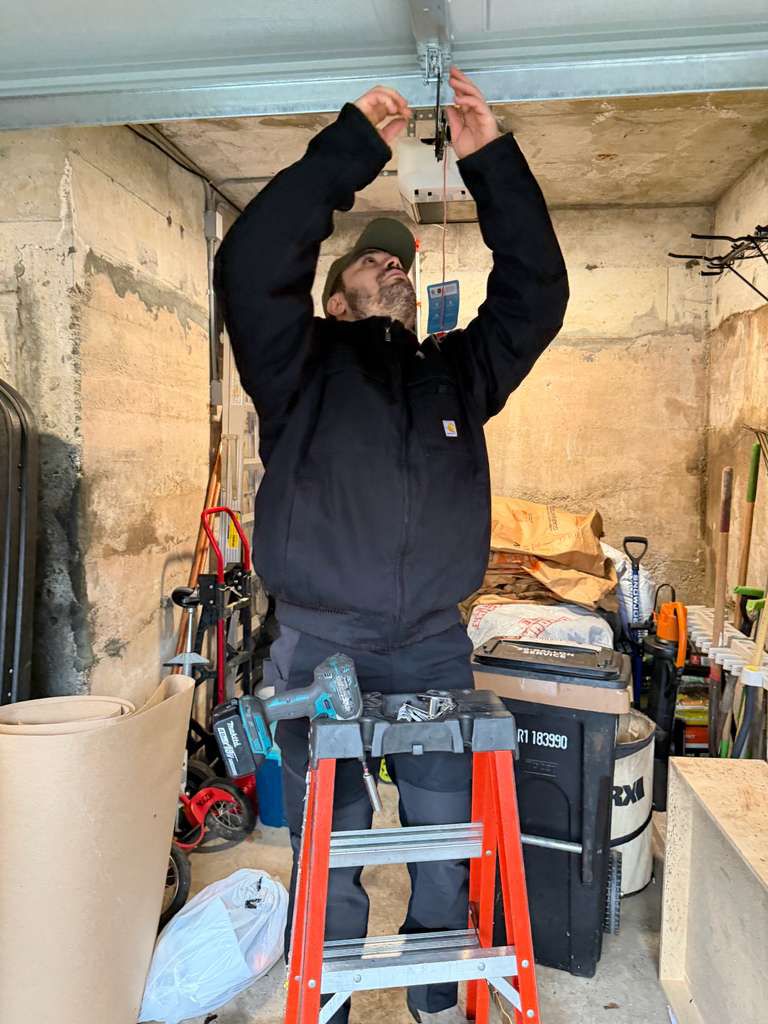
Unplug the garage door opener motor from the ceiling outlet. This is a crucial safety precaution. If the power suddenly returns while you are manually lifting the door or working near the tracks, the motor could activate, moving the trolley and potentially catching your fingers or pulling the door unexpectedly.
-
Pull the Red Emergency Release Cord
Locate the red emergency release cord hanging from the trolley. Pull the cord firmly straight down and slightly back toward the motor unit. This motion pulls the release lever down, disengaging the spring-loaded carriage hook from the drive chain or belt. You will typically hear a distinct click or feel a release of tension when this occurs.
-
Manually Lift the Garage Door
Place your hands on the door panels—specifically using designated lift handles or the bottom edge of the door. Do not place your fingers between the panel sections, as this can lead to severe pinching. Lift the door straight up in a smooth, steady motion. If the springs are properly balanced, the door should slide open easily and stay in place at the top of the tracks.
-
Secure the Door in the Open Position
Even if the door feels balanced and stays open on its own, it is wise to secure it if you plan to keep it open for an extended period. Place vice grips or heavy-duty C-clamps on the tracks directly beneath the bottom rollers to prevent any accidental closing while you move vehicles or equipment.
-
Close and Lock the Door Manually
When you are finished, remove any clamps, and slowly guide the door back down to the closed position. Because the automatic opener is disconnected, the door is not locked. Anyone can walk up and lift it from the outside. To secure your home, slide the manual slide lock (usually located on the side of the door panels) into the track slot.
Most modern openers (like Chamberlain, LiftMaster, and Craftsman) have a release lever with two positions. Pulling the cord straight down disengages the system temporarily, but if you release it, it may re-engage when the trolley passes over the drive hook. Pulling the cord down and back (towards the opener motor) locks the lever in the disengaged position, allowing you to open and close the door manually multiple times without the trolley catching.
Lifting the door manually should be done with proper lifting posture to avoid back strain. Bend your knees, keep your back straight, and lift with your legs. If the door feels excessively heavy or starts to slide back down when you let go, the springs are likely worn out or broken. In this case, lower the door slowly, lock it manually, and contact a professional garage door technician for a balance adjustment or spring replacement. Do not attempt to prop the door open with brooms or loose boards, as these can easily slip, causing the door to fall.
5. Step-by-Step: How to Open a Garage Door Manually from the Outside
If your garage does not have a secondary entry door (such as a side service door leading to the yard or a door leading directly into the house), a power outage can lock you out completely. In this specific architectural layout, an emergency release lock is an absolute necessity. This is a small, key-operated lock cylinder installed directly into the top panel of your garage door, connected to a steel cable that runs inside to the opener carriage.
Here is how to open garage door manually from the outside using this system:
-
Locate the Emergency Release Lock
Look at the top center of your garage door. You will see a small circular lock cylinder about 1 to 1.5 inches in diameter. This cylinder houses a keyway and is secured to the door panel. Keep the corresponding key on your house keychain or hidden securely nearby.
-
Unlock and Pull the Tumbler Cylinder
Insert the key into the lock and turn it 90 degrees to unlock the mechanism. Once unlocked, pull the entire key and lock tumbler straight out of the door housing. As you pull it, a thin steel cable will emerge from the hole behind the tumbler.
-
Pull the Cable to Release the Trolley
Pull the steel cable firmly toward you. This action pulls the internal emergency release lever on the trolley inside, disengaging the carriage from the belt or chain drive. You should feel the mechanical release release inside the garage.
-
Lift the Door Manually
Once disengaged, grab the bottom handle or the bottom edge of the garage door panel and lift it slowly and evenly. Walk the door up until it is fully retracted into the horizontal tracks overhead.
-
Access and Reset the System
Drive your vehicle in or access your electrical panel. Once inside, remember to push the lock tumbler back into its housing on the door and lock it with the key so that the cable is protected and the lock is flush with the exterior panel.
It is vital to keep the key to the emergency release lock accessible, but secure. Do not leave the key hidden in obvious places like under the welcome mat or on top of the door frame, as these are the first places intruders will search. If you lose the key to this lock, you may need to call a locksmith to drill out the cylinder or contact a professional garage door technician to gain entry using specialized tools. Keeping a backup key in a secure lockbox or with a trusted neighbor is an excellent preventive measure.
6. Manual Override Scenarios & Compatibility Matrix
Not all emergencies are identical, and the manual override procedure must adapt to the physical state of your garage door components. Below is a comprehensive reference matrix outlining the safety and procedural steps for various mechanical states.
| Scenario / Condition | Spring Condition | Recommended Action | Safety Risk Level | Key Precaution |
|---|---|---|---|---|
| Power Grid Outage | Intact / Functional | Pull red cord; lift door manually; slide manual lock when closed. | Low | Ensure the door is fully closed before pulling the release cord. |
| Motor / Board Failure | Intact / Functional | Disengage trolley; operate manually until motor is repaired. | Low | Unplug the motor so it doesn't suddenly start when power returns. |
| Broken Torsion Spring | Broken / Separated | DO NOT disengage if door is open. Call a professional. | Extreme | A free-falling door can weigh up to 400 lbs. Keep clear of the opening. |
| Broken Extension Spring | Broken / Cable Snapped | Clamp tracks; seek secondary assistance to lift safely. | High | Door will lift unevenly; rollers may bind or pop out of tracks. |
| Locked Out (No Service Door) | Intact / Functional | Use exterior emergency release lock with key; pull cable. | Medium | Keep the release lock cylinder clean and lubricated yearly. |
This matrix serves as a quick reference guide during emergencies. It is important to share this information with all family members who may need to operate the garage door in your absence. Understanding the differences between these scenarios can prevent serious accidents. For example, during a simple power outage with functional springs, the risk is minimal, and the door can be operated daily. However, when a spring is broken, manual operation should only be attempted in absolute emergencies, and preferably left to professional technicians who possess the correct tools and training.
7. Re-engaging the Automatic Garage Door Opener
Once the power is restored or the mechanical issue has been resolved, you will want to reconnect your garage door to the automatic opener. Many homeowners struggle with this step, often pushing the door up and down repeatedly without success. Re-engaging the opener is a straightforward process when you understand the dual-position lever on the trolley.
Follow these steps to safely and quickly lock your door back into automatic mode:
- Step 1: Close the Door Completely: Ensure the garage door is fully closed. While it is possible to re-engage the door when it is open, doing so when closed is much safer and aligns the trolley more easily. It prevents the door from falling if the carriage is not fully engaged.
- Step 2: Reset the Release Lever: Pull the red emergency release cord down and forward (toward the garage door/header wall). This moves the spring-loaded lever on the trolley back into its active horizontal position. You should see the metal latch arm pop up, ready to catch the carriage pin.
- Step 3: Align the Carriage and Trolley: You now need to bring the motorized carriage and the door trolley together so they click lock. You can do this in two ways:
Method A (Manual): Lift the garage door manually until you hear a loud click. This indicates the door trolley has slid over the belt/chain carriage and locked in place.
Method B (Automatic): Press the wall button or remote control transmitter. The motor will start and drive the belt/chain carriage along the rail. When the carriage reaches the position of the closed door trolley, they will automatically click and lock together. - Step 4: Test the Connection: Run the garage door through one complete open and close cycle using the remote control. Watch the trolley to ensure it moves smoothly and that the door behaves normally. Listen for any unusual noises that might indicate misalignment.
If you choose Method B, you may hear a loud pop or click as the motor starts moving and the carriage slides into the trolley. This is completely normal and indicates the spring-loaded pin has successfully locked back into its retaining bracket. Once locked, the door will no longer move when pushed manually, confirming that the automatic security lock has been re-established. If the door continues to move manually after attempting to re-engage, inspect the release lever to ensure it is not stuck in the downward position.
8. Preventing the "Coat Hanger Hook" & Enhancing Garage Security
While the emergency release cord is a life-saving safety feature, it also represents a significant security vulnerability. Experienced burglars have exploited a technique known as the "coat hanger trick" to break into homes in under six seconds. By using a wedge to pry open the top rubber weather stripping of the garage door, a thief can slide a long, stiff wire coat hanger through the gap. They then hook the red emergency release cord or the lever itself, pulling it down to disengage the motor. Once disengaged, they simply lift the door from the outside and gain access to your home.
Fortunately, you can protect your home against this exploit without sacrificing safety:
- Use a Zip-Tie to Lock the Release Lever: Thread a plastic zip-tie through the loop of the emergency release lever and wrap it around the trolley carriage frame. This locks the lever in place, preventing a wire coat hanger from pulling it down. In an actual emergency, a strong pull on the red cord from inside will easily break the plastic zip-tie, allowing you to escape, but a weak pull from a wire hook outside will fail. This is a cheap and effective security upgrade.
- Remove the Cord Handle: If you have a high-security risk or are leaving for vacation, you can temporarily cut or remove the plastic handle from the red cord, leaving only the thin rope. This makes it much harder for a burglar's wire hook to catch. You can still disengage the system by pulling the rope, but it requires a more precise, direct pull.
- Install a Shield / Guard: You can purchase or fabricate a simple metal shield that attaches to the trolley rail. This shield physically blocks access to the release lever from the top gap of the door, completely neutralizing the coat hanger trick while leaving the red cord fully functional from below. Many modern openers now come with built-in shields for this reason.
- Disable the Lock Tumbler: If you do not have an exterior release lock, make sure your opener track has no external cords hanging. If you do have an emergency release lock, ensure the cylinder is secure and cannot be easily pried out by a screwdriver. A loose cylinder can be pulled out by an intruder, allowing them to pull the release cable directly.
- Add a Track Lock: When going away for extended periods, you can place a physical lock or padlock through one of the holes in the vertical track just above a roller. Even if a thief manages to disengage the motor, they will not be able to slide the door up past the padlock.
By implementing these simple security upgrades, you can maintain the essential emergency functionality of your manual override system while protecting your home and family from opportunistic intruders. Security and safety do not have to be mutually exclusive; with the right precautions, you can enjoy both.
9. Routine Maintenance & Troubleshooting Guide
Like all mechanical systems, your garage door's manual override components require regular inspection and maintenance to ensure they function properly when you need them most. Neglecting these parts can lead to rusted lock cylinders, frayed cords, or frozen release levers. During an emergency, you do not want to discover that your release mechanism is seized or that the cord snaps under tension.
Semi-Annual Maintenance Checklist:
Add these simple tasks to your home maintenance schedule every six months:
- Inspect the Red Cord: Check the nylon rope for signs of fraying, dry rot, or damage. Replace the cord immediately if it appears worn. A snapped cord during an emergency can prevent you from opening the door, creating a severe safety hazard.
- Lubricate the Trolley Latch: Spray a small amount of silicone-based or lithium-based garage door lubricant into the moving pivot points of the emergency release lever on the trolley. Pull the cord a few times to work the lubricant into the spring mechanism. Do not use WD-40, as it attracts dust and grime, which can gum up the mechanism over time.
- Test the Emergency Release Lock: If you have an exterior key release, insert the key and turn it. Ensure the tumbler turns smoothly and can be pulled out without binding. Spray graphite lock lubricant into the keyway if it feels gritty or hard to turn. Regular testing prevents the lock cylinder from seizing due to weather exposure.
- Perform a Balance Test: Disengage the door and lift it halfway up. Release the door. A properly balanced door with functional springs should remain suspended or drift only slightly. If the door falls rapidly or shoots upward, your springs are out of balance and require professional adjustment. An unbalanced door puts excessive strain on both the motor and your back.
Common Troubleshooting Issues:
If you encounter problems while operating your manual override, check the following common issues and solutions:
- The Red Cord is Stuck and Won't Pull Down: The door's weight may be resting heavily on the trolley hook. This happens if the door was stopped mid-cycle. To release the tension, try lifting the door slightly by hand while pulling the cord, or plug the opener back in and run it a few inches to align the components.
- The Trolley Releases, but the Door Won't Budge: Check the sides of the door. The manual slide locks on the panels may be engaged, locking the door directly to the vertical tracks. Ensure all physical slide locks are fully retracted before lifting the door. Additionally, check for bent tracks or obstructed rollers.
- The Door Falls Down Immediately After Lifting: This is a classic symptom of worn or broken springs. The springs have lost their tension and can no longer balance the door's weight. Lower the door slowly, lock it manually, and contact a professional technician immediately. Do not attempt to keep using the door.
10. Frequently Asked Questions (FAQ)
Q1: Can I open my garage door manually if it has a backup battery?
A: Yes, but you typically won't need to. If your garage door opener is equipped with a functional battery backup system, the motor will continue to operate using battery power during an electrical outage. You can simply use your remote control or wall button. However, if the battery backup is dead, depleted, or the motor itself has failed, you will still need to use the manual override cord.
Q2: How much force should it take to lift a garage door manually?
A: A properly balanced residential garage door should require very little physical effort to lift—typically between 10 to 15 pounds of force. You should be able to lift it smoothly with one hand. If the door feels incredibly heavy, binds, or requires significant physical exertion, the counterbalance springs are either broken or severely out of adjustment. Do not attempt to force it open.
Q3: What happens if I pull the red cord while the door is open?
A: If the garage door springs are intact and working correctly, pulling the cord while the door is open will simply release the trolley, and the door should remain in place. However, if a spring is broken, pulling the cord will cause the door to crash down instantly with extreme force. Because of this risk, it is strongly advised to only pull the release cord when the door is fully closed.
Q4: My emergency release cord snapped. How do I replace it?
A: Replacing a broken cord is a simple DIY task. Purchase a length of high-strength nylon utility cord (diameter similar to the original rope). Thread one end through the eyelet on the trolley release lever and tie a secure double knot. Thread the other end through the plastic handle and tie another double knot at the desired height, ensuring the handle hangs no higher than 6 feet off the floor.
Q5: Can I use the manual override from the outside if I don't have a key lock?
A: No. If your garage is fully enclosed and has no other entry door, and you do not have an exterior emergency release lock installed, you cannot disengage the opener from the outside without damaging the door or weather stripping. If you find yourself in this situation, it is highly recommended to have an emergency release lock installed by a professional to prevent future lockouts.
Q6: Why won't my garage door lock back into the automatic opener after pulling the cord?
A: This usually happens because the release lever on the trolley is still locked in the disengaged position. Pull the red cord down and toward the garage door/header wall. This resets the lever. Next, manually lift the door or run the opener motor until the carriage clicks and locks back into the trolley.
Q7: Is it safe to leave my garage door disengaged for several days?
A: While it is mechanically safe, it poses a significant security risk. When disengaged, the automatic opener no longer locks the door down. Anyone can lift the door from the outside. If you must leave the door disengaged, ensure you lock it manually using a side slide lock or place a clamp on the track inside to prevent unauthorized entry.
Q8: Can a broken spring cause the door to fall even if the opener is connected?
A: The automatic opener's gears and rail provide some resistance, but they are not designed to hold the dead weight of a door with a broken spring. If the spring breaks while the door is open, the gears in the motor housing can strip, or the belt/chain can snap, leading to a sudden fall. Never stand under a garage door that is operating with a damaged spring.
Q9: How do I know if my garage door opener carriage is damaged?
A: If you hear the motor running and see the chain or belt moving, but the carriage does not move along the rail, the internal gears or carriage teeth are likely stripped. If you try to re-engage the trolley but it slides freely back and forth without locking onto the drive hook, the locking mechanism inside the trolley is broken and must be replaced.
Q10: What should I do if the emergency release handle is too high to reach?
A: The release cord must hang no higher than 6 feet above the floor to comply with UL 325 safety standards. If your opener was installed on a high ceiling and the cord is too short, you should tie an extension rope to the existing cord to make it accessible without a ladder, ensuring it does not get caught in the vehicle or tracks.
Q11: Can a power surge damage the emergency release mechanism?
A: No. The emergency release mechanism is purely mechanical. It does not rely on electrical power, wiring, or circuit boards to function. A power surge can fry your opener's motor or logic board, but the manual override will always remain functional as it consists only of mechanical levers, cables, and springs.
Q12: How often should I test my manual override system?
A: It is recommended to test the manual override system at least twice a year, ideally during your spring and fall home maintenance checks. This ensures the parts remain free-moving, the rope is in good condition, and you know how to operate it in an emergency without having to figure it out under stress.
Q13: Does pulling the manual release cord reset the opener's limits?
A: No. On most modern openers, disengaging and re-engaging the trolley does not affect the electronic travel limits. The opener's logic board keeps track of its position electronically. Once re-engaged, the door should run to its pre-set open and close limits normally.
Q14: What type of grease should I use on the emergency release lock cylinder?
A: Use dry graphite lubricant spray for the lock cylinder keyway. Do not use wet oils or grease (like lithium or WD-40) inside the keyway itself, as they attract dust and will eventually clog the tumblers, making it impossible to insert or turn the key.
Q15: Can I open a commercial garage door manually the same way?
A: Commercial doors often use a different system, such as a chain hoist (a pull-chain that runs through gears to lift the door) or a release lever connected to a heavy-duty clutch. While the concept is similar, you should consult the commercial opener's manual as the safety steps and mechanisms differ from residential trolley systems.
Need Professional Garage Door Repair or Spring Replacement?
A broken spring, damaged cable, or malfunctioning opener carriage can present severe safety risks. Do not risk injury trying to force a heavy door. Our certified technicians are available 24/7 for emergency repairs, spring replacements, and opener servicing.
Call Now: (800) 555-0199