
C
Add as a Preferred Source on Google
Add chsgaragerepair.com as a Preferred Source to see more of their content on Google Search.
AddPlanning to replace your garage door in Seattle? One of the first questions homeowners ask is whether the city requires a permit. The honest answer is that it depends on what the project involves. A simple swap of an old door for a new one of the same size is very different from widening the opening, changing the framing, or adding new wiring for an opener.
This guide explains what the Seattle Department of Construction and Inspections (SDCI) says about permits in general, which parts of a garage door project are most likely to need one, and how to get a clear answer for your home before work begins.
According to SDCI’s Do You Need a Permit? page, most construction projects in Seattle require a permit, although some small projects do not. Even when a permit isn’t required, the work still has to meet code.
SDCI’s guidance also describes some general patterns that are useful for homeowners:
SDCI’s pages do not spell out a specific rule for garage doors. That is why the safest approach is to treat every project individually and confirm with the city when you’re unsure.
Many garage door projects are maintenance or repair rather than construction. Examples include:
A full door replacement in the same opening, using the same size door, may fall under like-for-like replacement. However, SDCI does not state this explicitly for garage doors, so it is worth confirming before you start, especially if the new door is much heavier or uses a different type of hardware.
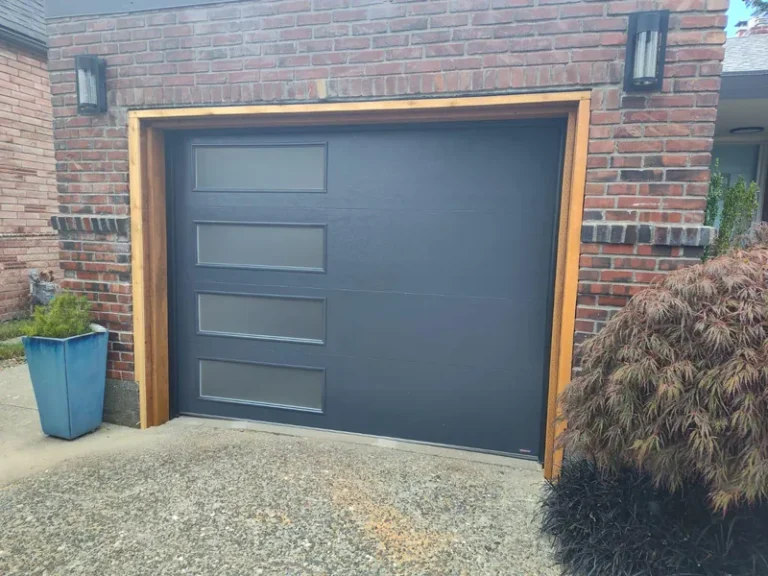
Turning a single-car opening into a double, or raising the height of the opening, usually means changing the header above the door. The header carries load from the wall and roof above it, so this is structural work. Under SDCI’s general rules, work on load-bearing parts of a building typically needs a permit, and it may need plans showing the new header size.
SDCI’s guidance on garages notes that an electrical permit may be needed when a garage is wired for electricity. If installing a new garage door opener means adding a new outlet or running new circuits, that electrical work may need its own permit and should be done by a qualified electrician. Plugging an opener into an existing ceiling outlet is a different situation.
If the door replacement is part of a larger remodel, such as converting the garage into living space or rebuilding the structure, the overall project will likely need permits. SDCI’s garage guidance says many new and remodeled garages are handled with a permit that includes field inspections.
If your home is a designated landmark or sits in a historic district, exterior changes such as a new garage door style may need review before work begins. Check with the city if this applies to your property.
Because the rules depend on the details, the most reliable step is to ask the city directly. SDCI’s website lists ways to contact the department, including a phone line for permit questions. When you call or write, have these details ready:
Keep a note of who you spoke with and what they told you, in case questions come up later.
Separate from the city, many neighborhoods have a homeowners association with its own rules about exterior changes, including garage door style and color. City approval and HOA approval are two different things. If you live in an HOA community, review your governing documents and get any required approval before ordering a door.
Whether or not a permit is needed, a typical garage door replacement follows a similar path:
Removing an old door involves springs under high tension, so this part of the job should be left to trained technicians.
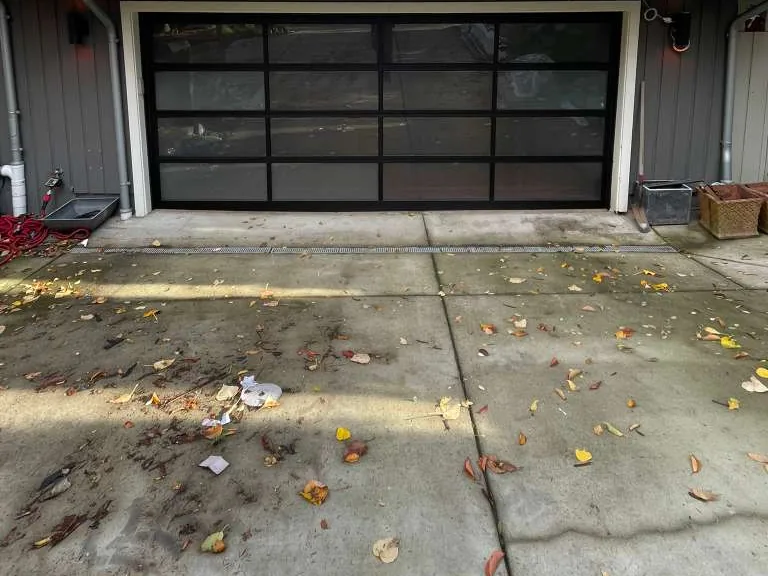
Many Seattle neighborhoods have detached garages, alley access and older framing. In some older garages, the existing header or jambs may show rot or past repairs once the old door comes off. If structural repairs are needed, that can change whether a permit is required, so it helps to have the opening inspected before the new door is ordered. A careful assessment up front also helps you compare door options that suit low headroom or narrow side room.
This article is general information, not legal advice. Permit rules can change, so always confirm current requirements with the City of Seattle.
It depends on the project. Like-for-like replacements in the same opening are often treated as minor work, while widening the opening or changing the header usually needs a permit. SDCI does not publish a garage-door-specific rule, so confirm with the city for your address.
Installing an opener that plugs into an existing outlet is usually simpler than a job that needs new wiring. New electrical work may need an electrical permit, according to SDCI’s garage guidance.
Contact the Seattle Department of Construction and Inspections. Its website lists phone and online options for permit questions.
No. HOA approval and city permits are separate. You may need one, both or neither, depending on your project and community.
If you’re replacing a door in Seattle, our team can measure the opening, explain your options and provide a written estimate before any work begins. Call (206) 245-5495 or send us a message. You can also learn more about garage door installation.
Add chsgaragerepair.com as a Preferred Source to see more of their content on Google Search.
Add