
C
Add as a Preferred Source on Google
Add chsgaragerepair.com as a Preferred Source to see more of their content on Google Search.
AddGarage door gaps can be a nuisance, allowing dust, water, and unwanted pests into your garage. Sealing these gaps not only protects your garage but also improves energy efficiency by keeping out drafts. This article will guide you through the simple steps to effectively seal your garage door gaps.
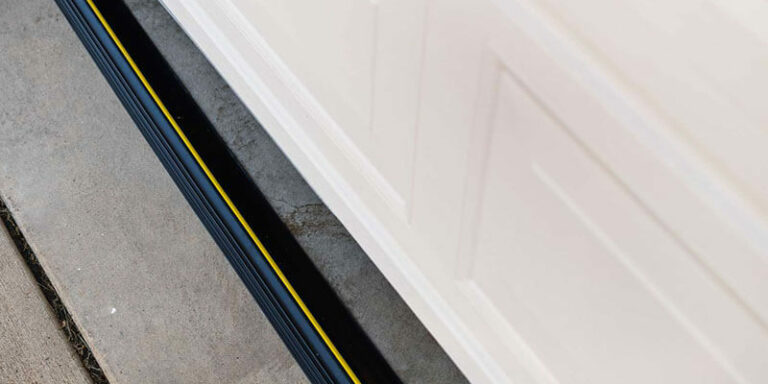
Before you start the sealing process, it’s important to understand where these gaps occur and why:
Gather the following tools and materials before you begin:
First, measure the size of the gap along the bottom, sides, and top of your garage door. This will help you choose the right size and type of weatherstripping or seal.
Ensure the garage door surface is clean and dry. Remove any dirt or debris along the edges where you will apply the new seal.
Cut the weatherstripping or seal to the length of each gap, using scissors or a utility knife.
Attach the weatherstripping to the door:
For extra protection, apply a bead of sealant along the edges of the weatherstripping. Smooth it out with a caulking gun for a secure fit.
| Weatherstripping Type | Material | Best Used For | Durability |
| V-strip | Vinyl | Side and top gaps | 3-5 years |
| Felt | Wool | Smaller, less exposed gaps | 2-4 years |
| Door sweep | Rubber | Bottom gaps | 5-7 years |
To keep your garage door seals effective:
At CHS Garage Repair Of Seattle, we pride ourselves on providing expert garage door services. Whether you need help sealing gaps, repairing doors, or routine maintenance, our team is dedicated to ensuring your garage is secure and fully functional. Trust us to enhance your home’s safety and efficiency with professional care.
By following these simple steps and using the right materials, you can effectively seal the gaps around your garage door, enhancing your home’s overall comfort and security. For any further assistance, remember that CHS Garage Repair Of Seattle is just a call away, ready to provide service and advice.
The best material depends on the gap size and exposure to elements. Vinyl and rubber are great for durability and flexibility.
It’s best to inspect your garage door seals every six months to ensure they are in good condition and providing adequate protection.
Yes, you can seal garage door gaps yourself using basic tools and materials. Follow our step-by-step guide for straightforward DIY solutions.
If gaps reappear, it may indicate an alignment issue with your garage door. Consider consulting a professional from CHS Garage Repair Of Seattle for a comprehensive solution.
Call CHS Garage Repair at (206) 245-5495 or send us a message with what you’re seeing. We’ll talk through the next steps and provide a written estimate before work begins.
Add chsgaragerepair.com as a Preferred Source to see more of their content on Google Search.
Add