
C
Add as a Preferred Source on Google
Add chsgaragerepair.com as a Preferred Source to see more of their content on Google Search.
AddA noisy or stuck garage door is often a sign of worn-out rollers. This guide shows how to replace garage door rollers yourself, step by step: which rollers to buy, how to swap the ones you can safely reach, and which job (the bottom rollers) belongs to a technician. Rather have it done for you? See our garage door roller replacement service in Seattle.
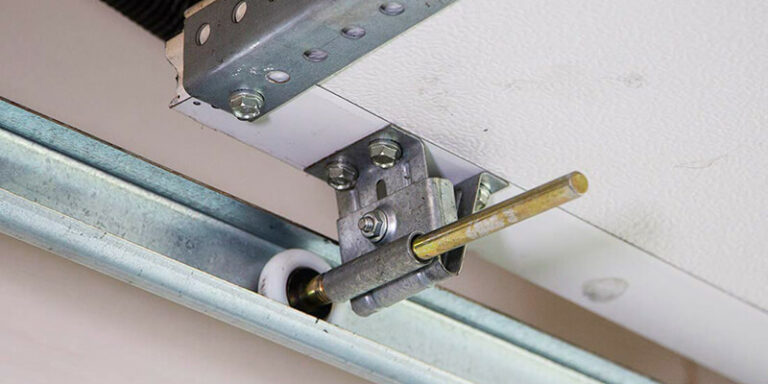
Garage door rollers are super important because they let your door open and close smoothly, rolling along a track. Imagine them as tiny wheels that guide your garage door every time you use it. However, like anything that moves a lot, they don’t last forever.
After lots of ups and downs, these rollers can get worn out or even break. When that happens, it’s time to swap them out for new ones. This keeps your garage door moving nicely, without any problems.
Before you start, safety is key:
Putting new rollers on your garage door makes it open and close really smoothly. No more loud noises every time you use it! They help your garage door opener last longer because it doesn’t have to work as hard. New rollers can also keep out the rain and cold better, making your garage a nicer place. It’s a small update that makes a big difference.
| Roller Type | Material | Durability | Noise Level |
| Plastic | Plastic | Low | High |
| Steel | Steel | High | Medium |
| Nylon | Nylon | Medium | Low |
Replacing your garage door rollers is a straightforward task you can do to keep your door running smoothly. Here’s how to do it step by step:
And that’s it! With some patience and careful work, you can replace your garage door rollers and have your door working like new.
Nylon rollers with sealed bearings tend to run more quietly, while steel rollers are durable but can be noisier without regular lubrication. Whichever you choose, match the stem length to your existing rollers. Regular garage door maintenance helps rollers last longer, and if a door has jumped its track, see off-track garage door repair. Related: professional roller replacement in Seattle.
Many homeowners can replace the upper rollers themselves, but some situations call for professional help:
If you’d rather not climb a ladder, or your door needs the bottom rollers or brackets replaced, CHS can do it. We replace the full set with quiet sealed-bearing nylon rollers sized for your track, fix any cracked hinges or worn brackets, lubricate and align the tracks, and test the door’s balance and safety reverse before we leave. See garage door roller replacement for details, or call (206) 245-5495 for a free estimate.
Usually, yes. Rollers wear at the same rate, so if one is cracked or wobbling the rest are close behind. Replacing the full set keeps the door running smoothly and quietly.
No. The bottom rollers sit in the brackets that anchor the lift cables, which are under spring tension. Removing them can release that tension suddenly. Leave the bottom brackets and rollers to a technician.
Nylon rollers with sealed bearings run much quieter and need little upkeep, which suits most homes. Steel rollers are tough but louder and need regular lubrication. Cheap plastic rollers without bearings wear out fastest.
Grinding or squeaking that lubrication doesn't fix, a door that shakes or catches in the track, and rollers that are cracked, chipped, flat-spotted or wobbling on their stems are the usual signs.
Yes. CHS offers garage door roller replacement across Seattle and nearby cities, including the bottom rollers and brackets, and tests the door's balance and safety reverse afterward. Estimates are free.
Call CHS Garage Repair at (206) 245-5495 or send us a message with what you’re seeing. We’ll talk through the next steps and provide a written estimate before work begins.
Add chsgaragerepair.com as a Preferred Source to see more of their content on Google Search.
Add