
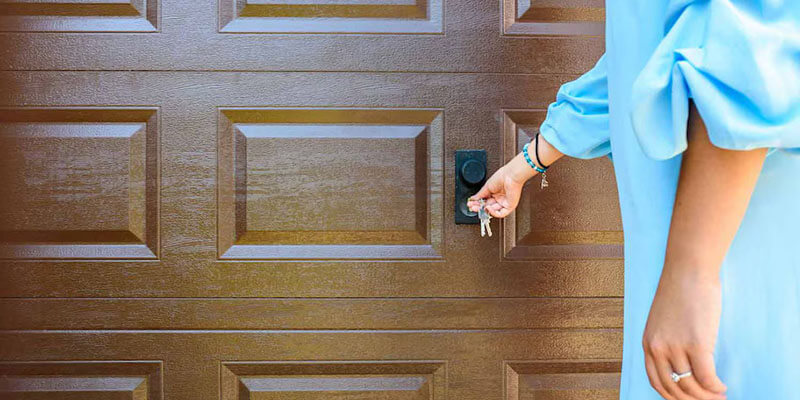
Technology is highly convenient until a power outage or a mechanical malfunction locks your vehicle inside the garage. Knowing how to manually open your garage door from the outside can save the day. Whether you are facing a severe winter storm in Seattle, WA, or your opener’s motor gears have stripped, this guide will walk you through the safe steps to operate your garage door manually.
When You Might Need to Open a Garage Door Manually
Standard garage doors rely on electric openers to drive the trolley along the track rail. When power fails, the motor becomes locked, preventing the door from moving. Common scenarios requiring manual operation include:
- Power Outages: High winds, snowstorms, or local grid failures cut electrical supply to the opener.
- Remote/Keypad Failure: Lost remotes, dead batteries, or failed wireless signals leave you locked out.
- Opener Motor Malfunction: Stripped plastic gears inside the motor unit prevent the trolley from moving.
- Broken Counterbalance System: While you should avoid lifting a door with a broken spring, emergencies can require careful manual inspection.
Understanding the Emergency Key Release System
If your home features a “vaulted” garage—meaning there are no other entry doors, windows, or access points into the garage except the main overhead door—a key release lock system is mandatory. An emergency key release is a small, key-operated lock cylinder installed in the top section of your garage door. The cylinder is connected to a steel cable that runs internally to the opener trolley’s manual release lever.
When you insert the key and turn the lock from the outside, you can pull the entire lock cylinder out of the door panel, which pulls the cable and releases the trolley, allowing you to lift the door manually.
Step-by-Step Guide: Opening Your Garage Door from Outside (with Override Lock)
Follow these steps carefully if your garage door has an external emergency key release lock:
- Locate the Lock: Find the small metal keyhole cylinder near the top center of the garage door panels.
- Insert and Turn the Key: Insert the emergency key and turn it to unlock the cylinder.
- Pull the Cylinder Out: Pull the entire lock cylinder out of the door body. A thin steel cable will follow, extending from the hole.
- Disengage the Opener: Pull the steel cable firmly. This pull activates the release lever on the carriage trolley inside, disengaging the door from the electric opener chain/belt.
- Lift the Door: Grasp the bottom panel handle (or the bottom of the door) with both hands. Lift the door smoothly upwards. If the springs are balanced, the door should stay open. If the door feels incredibly heavy, stop (see safety warnings below).
- Secure the Door: If you must drive a vehicle out, secure the door using clamps or a prop to ensure it does not drop unexpectedly.
What to Do If You Don’t Have an External Release Lock?
If your garage does not have an external key lock cylinder and you are locked out with a dead opener, do not try to pry the door open. Forcing the door with a crowbar will warp the panels, ruin the track alignment, and potentially snap the cables. Avoid using wire hangers to pull the release lever through the top weatherstripping; this damages the seal and compromises your home’s security.
If you have another access door to the garage (such as a side door or through the house interior), enter there first, and follow these steps to release the opener internally:
- Locate the red emergency release cord hanging from the trolley.
- Pull the cord straight down and slightly back (away from the door) to disengage the carriage.
- Lift the door manually.
If you are in Redmond and the door feels heavy or unsafe, schedule our Redmond technician visit instead.
⚠ Critical Safety Warnings: the Danger of Broken Springs
IMPORTANT: Never attempt to lift a garage door manually if you suspect a spring is broken. Springs act as the counterbalance, carrying 95% of the door’s weight. If a spring snaps, a 200-pound door becomes 200 pounds of dead weight. Attempting to lift a door with a broken spring can cause severe back injuries, and if you manage to lift it, the door can drop suddenly like a guillotine, causing catastrophic injury or crushing anything underneath it.
Before lifting, look at the springs above the door. If you see a visible gap in the coils or hear a grinding sound when trying to lift, keep the door closed and contact a garage door technician. For details on spring safety, refer to our Seattle Spring Replacement Services.
How to Re-Engage the Opener After Manual Use
Once power is restored, you must lock the garage door back onto the opener carriage to operate it automatically again:
- Pull the red emergency release cord down and forward (towards the garage door). This resets the trolley lever to its engaged position.
- Manually lift the door until you hear a loud “click,” indicating the trolley has locked back into the chain/belt carriage.
- Alternatively, keep the door closed and press the wall button or remote. The opener carriage will travel along the rail until it automatically snaps back into the trolley.
Table: Troubleshooting Manual Operation Issues
| Problem | Possible Cause | Step-by-Step Solution |
|---|---|---|
| Door is extremely heavy and won’t lift | Broken torsion or extension spring | Do not attempt to force the door. Keep it closed and call a professional technician for spring replacement professionally. |
| Door opens halfway but gets stuck | Bent track or popped roller | Inspect tracks for dents or obstructions. Popped rollers can bind; do not force the door, as it may slip out of the tracks. |
| Emergency release key won’t turn | Lock cylinder is rusted or key is worn | Apply a penetrating lubricant (like WD-40) into the keyhole. Wiggle the key gently. Do not apply excessive force to avoid snapping the key. |
| Cables are loose and hanging | Snapped spring or cable jumped drum | Do not operate the door. Hanging cables mean there is zero counterbalance tension, making the door highly unstable. |
For complex issues, it is safest to call the experts at CHS Garage Door Repair of Seattle.