
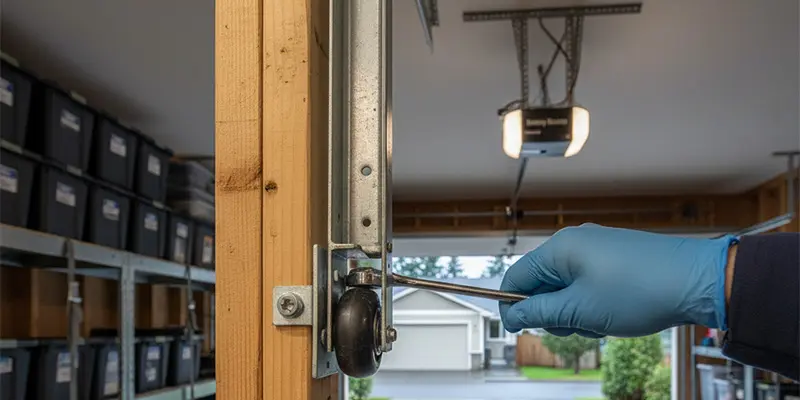
Seattle homeowners think about wind, rain, and corrosion far more often than earthquakes, yet a stuck or unsafe garage door after a shaker can trap vehicles, block emergency access, and create hazards in the busiest traffic zone of your home. With a few targeted upgrades and a simple drill you can rehearse with your family, your door will be far more likely to ride out a quake, open when you need it, and keep everyone safe.
This guide walks you through the risks, the right components to install, what to check each season, and what to do in the minutes and days after seismic activity.
Why Earthquake Readiness Matters for Garage Doors
A sectional garage door is heavy, wide, and supported by tracks, rollers, hinges, and cables that must stay aligned within tight tolerances. Shaking can rack the opening, loosen lag bolts, and shift tracks just enough to bind a panel. Add fallen items from shelves or a power outage and you have the conditions for a jammed door exactly when you need to evacuate or bring supplies home. Preparing the door for lateral movement and planned power loss is essential.
The Most Common Failure Points During a Quake
-
Loose or undersized fasteners
Track brackets, flag angles, and opener mounts that were snug last year can back out over time. During shaking, a single loose bracket can twist the whole system out of alignment. -
Worn rollers and bent hinges
Tired parts with extra play are more likely to pop out of the track. Nylon rollers with sealed bearings and heavy gauge hinges reduce slop and resist shock loads. -
Unbalanced door or tired springs
If the springs are not correctly balanced, the opener works harder and the door is more likely to bind when the frame racks. -
Obstructions and top-heavy storage
Items stored high can tumble onto tracks, sensors, or the vehicle path. -
Power loss at the worst moment
Even a perfectly aligned door will not move without power unless you are ready to operate it manually or your opener has a healthy backup battery.
Earthquake Ready Hardware and Upgrades
1) Structural Fastening and Bracing
-
Upgrade lag screws that secure vertical tracks and opener brackets to longer, wider diameter fasteners that reach solid framing.
-
Add blocking where necessary so every bracket is secured to wood, not just sheathing.
-
Confirm the header bracket is installed with proper lag screws into the header, not into drywall.
2) Heavy Duty Rollers and Hinges
-
Replace worn steel rollers with sealed nylon rollers that reduce vibration and stay in the track more reliably.
-
Step up to thicker hinge gauge on frequently stressed positions such as the center hinges on the top and middle sections.
3) Reinforced Strut on the Top Section
-
A full width strut stiffens the panel that takes the most torque load from the opener arm. This keeps the section straight if the frame racks.
4) Fresh Lift Cables and End Bearings
-
Frayed cables and gritty bearings are weak links. New cables and lubricated end bearings hold alignment and tolerate side loads better.
5) Photo-eye Protection and Alignment
-
Mount photo-eyes on sturdy brackets and protect them from falling objects. Keep the wiring neatly clipped to prevent snagging during movement.
6) Battery Backup on the Opener
-
A power outage is likely after a significant quake. A healthy backup battery lets you open and close the door safely without lifting heavy sections by hand. If you already use LiftMaster, here is a deeper look at keeping your pack healthy: LiftMaster opener battery.
7) Surge Protection and Secure Wiring
-
Add a UL rated surge protector at the opener outlet and tidy low voltage wires so they do not act like hooks for falling items.
Seasonal Inspection Checklist for Seismic Readiness
Use this list every six months or after any noticeable tremor.
-
Tighten fasteners on track brackets, opener mounts, and struts.
-
Check track plumb and level from floor to ceiling. Correct any bowing or twist.
-
Inspect rollers for flat spots and wobble. Replace if they do not spin freely.
-
Examine hinges for hairline cracks around fasteners.
-
Inspect lift cables for broken strands near the bottom brackets.
-
Balance test the door with the opener disconnected. It should stay at mid travel without drifting.
-
Test safety sensors and confirm the auto reverse works on contact and when the beam is blocked.
-
Operate on battery by unplugging AC to ensure the opener cycles smoothly on backup power.
-
Clear the path around tracks and sensors. Move tall storage away from the door plane.
Organize the Garage for Safer Quakes
-
Bolt tall shelving to studs and add lips to shelves to keep bins from sliding off.
-
Keep the track zone clear by a few inches on each side.
-
Store heavy items low and lighter items high.
-
Secure bikes and kayaks with rated hooks away from the door’s travel.
-
Label a go bin with gloves, headlamp, and a small tool kit near the interior garage entry.
Emergency Access If the Power or Opener Fails
Every household should rehearse bypassing the motor so the door can be lifted by hand. If you ever face a locked exterior during a power cut, review this clear walk through on how to manually open your garage door from outside. Practice the steps before you need them.
Manual Release Best Practices
-
Confirm the door is in the fully closed position before pulling the red handle.
-
Keep a sturdy step stool nearby if the release is high.
-
Teach each adult how to reengage the trolley so the opener can be used again after power returns.
Family Drill You Can Complete in 15 Minutes
-
Pick a calm weekend morning.
-
Park a vehicle in the driveway and one in the garage to simulate real life.
-
Unplug the opener to mimic a power outage.
-
Pull the manual release and lift the door with two hands from the center.
-
Have one adult operate the door while another watches the tracks and cables for smooth travel.
-
Reconnect power and test battery operation if equipped.
-
Review where flashlights, gloves, and the go bin live.
-
Talk through your family’s meet-up plan if cell service is congested.
What to Do Right After a Quake
-
Stay clear of the door until you verify that tracks are straight and cables are on the drums.
-
Look for binding while opening a few inches at a time. If anything feels uneven or you see a cable slackening, stop.
-
Check sensors and wiring for damage or misalignment.
-
Inspect springs and shaft with the door closed. Do not touch a damaged spring.
-
Use battery backup to cycle the door once you are sure it moves freely.
-
Call a professional if the door feels heavy, drags, or looks crooked. Forcing it can twist tracks and cause secondary damage.
When Replacement or Major Upgrades Make Sense
-
The door or tracks are visibly twisted or have repeated post-quake issues.
-
Springs are near end of life and the door does not balance.
-
The opener lacks safety sensors, rolling code security, or modern force control.
-
You want to convert to high-lift tracks to keep storage and lighting clear of the door path.
-
You plan to add a jackshaft opener that removes rail vibration from the ceiling above bedrooms or a home office.
Frequently Asked Questions
Will a battery backup open a very heavy insulated door
Yes, if the springs are correctly balanced. Backup batteries move the door only when counterbalance is right. If the door feels heavy by hand, schedule a spring service.
Are nylon rollers strong enough for seismic loads
Sealed nylon rollers with steel stems and proper bearings handle shock loads well and reduce track chatter compared to bare metal rollers.
Can I brace the panels myself
You can add a top strut with the correct fasteners, but any work that involves spring tension or track realignment should be handled by a trained technician.
Do I need a quake sensor to auto open the door
Auto opening is not recommended. You want control of the opening so pets and debris do not enter and so you can keep the door closed if the driveway is unsafe.
How often should I drill this
Twice a year is ideal. Add a practice session after any noticeable seismic activity.
Action Plan You Can Start This Weekend
-
Inspect and tighten all track and opener fasteners.
-
Upgrade to sealed nylon rollers and add a top strut if your door lacks one.
-
Test manual release and rehearse your 15 minute drill with the family.
-
Install or replace the opener’s backup battery and confirm a full cycle on battery power.
-
Clear top-heavy storage and bolt tall shelves to studs.
-
Add a surge protector and tidy low voltage wiring.
-
Put gloves, headlamp, and tools in a labeled bin by the interior door.
Preparedness is not complicated. With balanced springs, tight fasteners, reinforced hardware, and a healthy battery, your garage door is more likely to operate when you need it most. A short drill builds muscle memory so everyone in the home can act efficiently and safely after a quake.
After a seismic event, always have your garage door inspected before resuming normal use. Our technicians check spring tension, cable alignment, and auto-reverse safety during a post-earthquake door inspection. For doors that sustained structural damage, we offer panel replacement and full door replacement.