
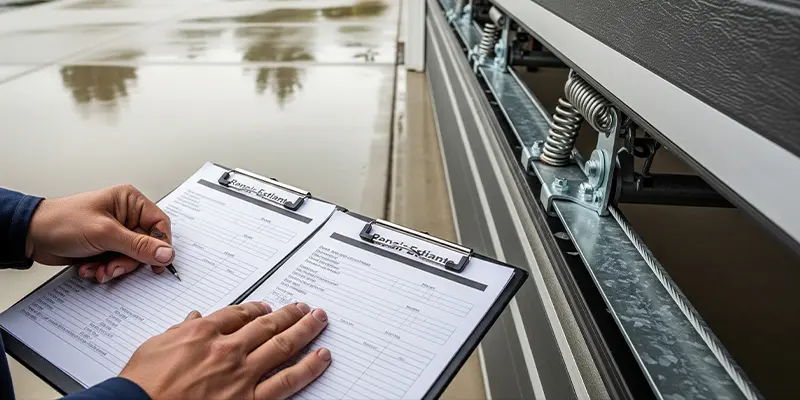
Seattle homeowners often ask a simple question before booking service: how much will it cost to fix my garage door. The honest answer is that prices vary based on parts, labor, and the urgency of the problem. This guide breaks down typical 2025 costs in Seattle, what drives those numbers up or down, and when a targeted repair beats a full replacement.
What Drives Repair Pricing in Seattle
-
Type and size of door
Single steel doors are usually cheaper to service than double or custom glass and wood designs. Heavier insulated doors require stronger springs and cables, which raises parts cost. -
Part quality and warranty
You can choose economy components or premium parts with higher cycle ratings. Premium springs, sealed nylon rollers, and stainless hardware cost more upfront but often save money over time. -
Labor and trip conditions
Tight alleys, steep driveways, and limited parking can add time. After-hours or scheduled emergency calls typically include a surcharge. -
Age and compatibility
Older openers or discontinued models may require special-order parts. If multiple parts are near end of life, a single repair can turn into a small restoration. -
Moisture and corrosion
Seattle’s damp climate accelerates rust on steel hardware. Corroded fasteners and pitted shafts take longer to service, which can increase labor.
Typical 2025 Price Ranges in Seattle
These ballpark figures help with budgeting. Final quotes depend on door size, condition, and part choices.
| Repair | Typical Parts + Labor |
|---|---|
| Torsion spring replacement (pair on a double door) | 280 to 520 dollars |
| Single torsion spring on a single door | 220 to 380 dollars |
| Extension springs with safety cables | 220 to 360 dollars |
| Lift cables replacement and re‑balance | 160 to 300 dollars |
| Roller upgrade to sealed nylon set | 150 to 260 dollars |
| Track realignment and hardware reset | 140 to 260 dollars |
| Sensor diagnosis and replacement with alignment | 120 to 220 dollars |
| Opener gear and sprocket kit | 180 to 260 dollars |
| Logic board replacement (brand dependent) | 220 to 380 dollars |
| Weather stripping and bottom seal kit | 120 to 240 dollars |
| Single steel panel replacement and paint blend | 350 to 700 dollars |
| Full tune‑up with lubrication and balance check | 95 to 180 dollars |
Emergency or after‑hours surcharge is commonly 75 to 150 dollars on top of standard rates.
Repair Vs Replace Math
Use a simple rule of thumb. If the repair estimate exceeds about 50 percent of the price of a comparable new door or opener, consider replacement. That tipping point arrives sooner if your opener lacks photo‑eyes, rolling code security, or battery backup, or if your door has multiple failing sections.
When a Focused Repair Is the Smarter Choice
-
One or two worn components like cables, rollers, or a single spring
-
Cosmetic dents that do not affect structure or balance
-
Modern opener with a known weak link such as a worn gear kit
-
Panels with minor rust that can be sanded, primed, and repainted
For hands‑on readers, these how‑to resources can help you understand scope before you book service: upgrading rollers and diagnosing cable issues are common fixes.
Read the step by step guide on how to replace garage door rollers.
If your door lifts unevenly or hangs, review the tutorial on how to fix a garage door cable.
When Replacement Makes Financial Sense
-
Door is 15 plus years old with multiple failing sections
-
Extensive corrosion on tracks, hinges, and fasteners
-
Heavily dented or cracked panels across more than one section
-
Opener repairs stack up year after year without solving reliability
-
You want quieter operation, smart controls, or higher energy efficiency
Upgrading to a polyurethane insulated steel door or a belt‑drive smart opener can reduce noise, improve curb appeal, and add resale value in Seattle’s competitive housing market.
Cost Savers That Do Not Compromise Safety
-
Combine repairs in one visit
If your cables are fraying and rollers are squeaky, bundling work can reduce total labor time. -
Choose cycle‑rated parts
High‑cycle springs and sealed rollers offer better lifetime cost than budget parts that fail sooner. -
Stay ahead with seasonal maintenance
Light lubrication and an annual balance check prevent expensive cascade failures. Cleaning tracks and replacing a flattened bottom seal can also protect panels from moisture. -
Avoid repeated emergency fees
If you can secure the door and schedule during regular hours, you will often save on surcharges. -
Confirm warranty coverage
Some manufacturers and installers offer multi‑year parts and labor. Knowing what is covered can shave real dollars off your bill.
DIY or Call a Pro
DIY is reasonable for non‑tension tasks like changing a light bulb, swapping a clicker battery, or gently cleaning and aligning photo‑eyes. Anything involving springs, lift cables, or door balance belongs to a trained technician. These components store significant energy, and mistakes can cause serious injury or major damage.
How to Get an Accurate Quote
-
Share clear photos of the door, springs, and opener model label
-
Report symptoms such as loud bang, uneven lift, or flashing lights on the wall console
-
Measure your door width, height, and panel count
-
Mention climate issues like visible rust or standing water at the threshold
-
Ask for options economy vs premium parts, and warranty terms for each
A solid quote should list parts, labor, any disposal fees, and optional upgrades. Transparent pricing builds trust and prevents surprises.
Frequently Asked Questions
Will my insurance cover garage door repairs
Policies sometimes cover sudden impact damage such as a car bump or storm debris. Wear and tear is typically excluded. Ask your agent about your deductible and documentation.
Can I repair one spring
If you have a two spring torsion system, best practice is to replace both so cycle counts match and lift stays balanced.
Why did my quote include a tune‑up
After any major part swap, a professional should verify balance, tighten hardware, and lubricate moving parts. This protects your new components and keeps warranty terms valid.
What about older wooden doors
Wood looks fantastic but needs more care in Seattle’s damp weather. Plan for periodic sealing, and expect slightly higher labor when swollen wood complicates adjustments.
Key Takeaways
-
Expect to pay 95 to 700 dollars for most single item repairs in 2025, with spring and panel work at the high end.
-
Moisture, weight, and age drive costs in Seattle more than in drier markets.
-
Bundle logical repairs, choose better cycle‑rated parts, and maintain seasonally to keep lifetime costs in check.
-
When in doubt, weigh repair cost against 50 percent of replacement and factor in the safety and convenience of modern features.
Looking for an upfront, transparent quote on your repair? Contact CHS Garage Repair today for Seattle garage door repair with no hidden fees.